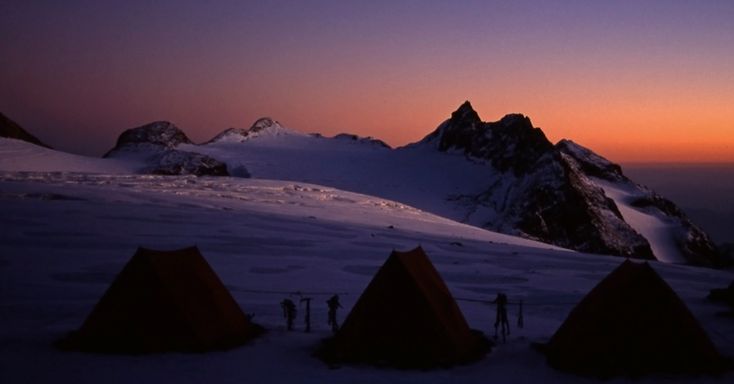
Island Peak (6,189m)
Perfect first 6000m objective combining Khumbu trek with glacier travel
Days
16 Days
Difficulty
Challenging
Max Altitude
6,189m
Best Season
Mar-May, Sep-Nov
Trip Overview
Island Peak is a perfect first 6000m objective - combining a classic Khumbu trek, glacier travel, and an exciting summit ridge.
Trip Information
- Day 1 : Arrival In Kathmandu (1,350m)
- Day 2 : Sight Seeing- Trek Briefing & Official Procedures (1,350m)
- Day 3 : Fly To Lukla & Trek To Phakding (3-4, 2,610m)
- Day 4 : Trek To Namche Bazaar (5-6, 3,440m)
- Day 5 : Acclimatization Day (3-4, 3,440m)
- Day 6 : Trek To Tengboche (5-6, 3,860m)
- Day 7 : Trek To Dingboche (5-6, 4,410m)
- Day 8 : Acclimatization Day (3-4, 4,410m)
- Day 9 : Trek To Chhukung (3-4, 4,730m)
- Day 10 : Trek To Island Peak Base Camp (4-5, 5,087m)
- Day 11 : Climbing Training Day At Base Camp (3-4, 5,087m)
- Day 12 : Island Peak Summit Push & Return To Base Camp (8-10, 6,189m/5,087m)
- Day 13 : Reserve Day / Trek To Chhukung (3-4, 4,730m)
- Day 14 : Trek To Namche Bazaar (7-8, 3,440m)
- Day 15 : Trek To Lukla (6-7, 2,840m)
- Day 16 : Fly Back To Kathmandu & Explore (1,350m)
- Day 17 : Final Departure
Day 1: Arrival In Kathmandu
Altitude: 1,350m · Stay: Hotel · Meals: Dinner
Welcome to Nepal! Step off the plane into Kathmandu's warm chaos, where a Meander Himalaya teammate will be waving you down at arrivals. Settle into your hotel and meet your guide over dinner, you're about to combine classic Khumbu trekking with a genuine 6,000m summit.
Day 2: Sight Seeing- Trek Briefing & Official Procedures
Altitude: 1,350m · Stay: Hotel · Meals: Breakfast
A day to prepare properly. Visit Boudhanath and Pashupatinath in the morning, then sit down with your guide for a full briefing on the trek and climb ahead, permits, gear checks, and technical requirements for the summit push. Rent or double-check any climbing equipment you're missing from Thamel's shops.
Day 3: Fly To Lukla & Trek To Phakding
Distance: 8 km · Walking: 3-4 · Altitude: 2,610m · Stay: Teahouse · Meals: Breakfast, Lunch, Dinner
A scenic mountain flight drops you into Lukla, and from here the trail begins with an easy walk along the Dudh Kosi to Phakding. A gentle first day, and the last time you'll sleep below 3,000m for a while.
Day 4: Trek To Namche Bazaar
Distance: 11 km · Walking: 5-6 · Altitude: 3,440m · Stay: Teahouse · Meals: 5-6
Cross the Hillary Suspension Bridge and climb steadily to Namche Bazaar, catching your first glimpse of Everest along the way. Namche, the beating heart of the Khumbu, is a great spot to stock up on any last gear before heading deeper into the mountains.
Day 5: Acclimatization Day
Distance: 4-5 km · Walking: 3-4 · Altitude: 3,440m · Stay: Teahouse · Meals: Breakfast, Lunch, Dinner
A well-earned rest day. Hike up to the Everest View Hotel or Khumjung village for panoramic views and some smart altitude prep, this trip has a serious summit at the end of it, so every acclimatization day counts.
Day 6: Trek To Tengboche
Distance: 10 km · Walking: 5-6 · Altitude: 3,860m · Stay: Teahouse · Meals: Breakfast, Lunch, Dinner
A beautiful walk with Ama Dablam's spire in view for much of the day, arriving at Tengboche in time for the monastery's evening prayer, a peaceful, grounding stop before the trail turns more demanding.
Day 7: Trek To Dingboche
Distance: 12 km · Walking: 5-6 · Altitude: 4,410m · Stay: Teahouse · Meals: Breakfast, Lunch, Dinner
Descend through forest before climbing into the wide, dramatic Dingboche valley, with Ama Dablam looming closer than ever. This is also where altitude starts to genuinely register, good practice for the bigger challenge ahead.
Day 8: Acclimatization Day
Distance: 5 km · Walking: 3-4 · Altitude: 4,410m · Stay: Teahouse · Meals: Breakfast, Lunch, Dinner
Climb Nangkartshang Hill for a huge panorama of Makalu, Lhotse, and Ama Dablam, valuable altitude prep with the technical climb still ahead. Rest properly this afternoon, tomorrow the trail leaves the main Base Camp route behind.
Day 9: Trek To Chhukung
Distance: 7 km · Walking: 3-4 · Altitude: 4,730m · Stay: Teahouse · Meals: Breakfast, Lunch, Dinner
Branch off up the Imja Valley toward Chhukung, a small settlement tucked beneath Island Peak and Lhotse's towering south face. From here, Island Peak itself is visible for the first time, a great motivator for the days ahead.
Day 10: Trek To Island Peak Base Camp
Distance: 7 km · Walking: 4-5 · Altitude: 5,087m · Stay: Teahouse/Camp · Meals: Breakfast, Lunch, Dinner
A scenic, moderate walk brings you to Island Peak Base Camp, a dramatic spot beneath the peak's summit ridge with Lhotse and Ama Dablam towering above. Settle in and start prepping gear for the climbing days ahead.
Day 11: Climbing Training Day At Base Camp
Walking: 3-4 · Altitude: 5,087m · Stay: Camp · Meals: Breakfast, Lunch, Dinner
A full day dedicated to technical preparation, your guides run through rope work, ice axe and crampon technique, and ladder crossings on nearby glacial terrain. Whether you're an experienced climber or this is your first 6,000m objective, this day makes a real difference on summit day.
Day 12: Island Peak Summit Push & Return To Base Camp
Distance: 6 km · Walking: 8-10 · Altitude: 6,189m/5,087m · Stay: Camp · Meals: Breakfast, Lunch, Dinner
This is the big one. An early, cold start takes you up through the glacier, the crux ice wall, and the exposed summit ridge to the top of Island Peak, with Everest, Lhotse, Makalu, and Ama Dablam all in staggering close-up view. Descend back to Base Camp to celebrate, this is a serious mountaineering achievement.
Day 13: Reserve Day / Trek To Chhukung
Distance: 7 km · Walking: 3-4 · Altitude: 4,730m · Stay: Teahouse · Meals: Breakfast, Lunch, Dinner
A built-in buffer day to absorb any weather delays on the summit push. If the climb went to plan, descend to Chhukung to rest up and enjoy a proper meal at slightly lower altitude, if not, this is your backup summit day.
Day 14: Trek To Namche Bazaar
Distance: 19 km · Walking: 7-8 · Altitude: 3,440m · Stay: Teahouse · Meals: Breakfast, Lunch, Dinner
With the summit behind you, enjoy the descent back through Dingboche and Tengboche toward Namche. Legs are tired but spirits are high, you've just stood on top of a genuine Himalayan peak.
Day 15: Trek To Lukla
Distance: 19 km · Walking: 6-7 · Altitude: 2,840m · Stay: Teahouse · Meals: Breakfast, Lunch, Dinner
The last full day of walking retraces familiar ground back through Phakding to Lukla. Tonight calls for a proper celebration, a hearty final dinner with the guides and porters who helped you reach the summit.
Day 16: Fly Back To Kathmandu & Explore
Altitude: 1,350m · Stay: Hotel · Meals: Breakfast & Dinner
Fly back over the mountains you just conquered and land in Kathmandu's warm, oxygen-rich air. Treat yourself to a hot shower, a proper bed, and a well-earned stroll through Thamel, you've earned every bit of it after summiting a 6,000m peak.
Day 17: Final Departure
Meals: Breakfast
Time to say farewell to Nepal, at least for now. With Island Peak's summit ridge, technical glacier travel, and weeks of classic Khumbu trekking all behind you, our team will see you off at the airport for your onward journey. Namaste, and until next time!
Note: The trek itinerary is a guide only and may be subject to change at short notice.
Required equipment
- Backpack (30 to 40 liters) for daily use
- Duffel bag (provided by us)
- Sleeping bag rated for -20°C or lower (provided by us)
- Trekking poles (provided by us)
- Headlamp with spare batteries
- Water bottles or hydration bladder (2 to 3 liters)
- Water purification tablets or filter
- Insulated high-altitude mountaineering boots, waterproof and broken-in
Clothing list
- Moisture-wicking base layers (top and bottom)
- Fleece or wool mid-layers
- Insulated down jacket or down suit
- Waterproof and windproof outer shell (jacket and pants)
- Trekking trousers, 2 to 3 pairs
- Warm hat, sun hat, and neck gaiter
- Gloves, lightweight and insulated pair
- Warm wool socks, 4 to 5 pairs
Personal items
- Passport (with visa) and passport-size photos
- Travel insurance documents (confirming cover to 6,200m)
- Cash (Nepali Rupees) for personal expenses
- Personal first-aid kit and any personal medication
- Sunscreen (high SPF) and lip balm with SPF
- Category 4 glacier sunglasses (mandatory)
- Hand sanitizer and wet wipes
- Toiletries (biodegradable soap, toothbrush, etc.)
- Quick-dry towel
- Power bank and universal adapter
- Snacks or energy bars
- Camera (extra batteries, memory cards)
Technical climbing equipment
- 12-point crampons
- Technical ice axe
- UIAA-certified sit harness
- Ascender (jumar)
- Belay/descender device (ATC or figure-8)
- Locking and non-locking carabiners
- UIAA-certified climbing helmet
- All available to rent in Kathmandu if not bringing your own
Your trek cost includes
- Airport pickup and drop-off in a private vehicle
- 3 nights hotel in Kathmandu (4-star, B&B basis)
- Welcome dinner in Kathmandu at a traditional Nepali restaurant
- Farewell dinner to celebrate the successful climb
- All meals (breakfast, lunch, dinner) during the trek and climb, with tea/coffee included and fresh seasonal fruit served every evening
- Round-trip domestic flight, Kathmandu-Lukla-Kathmandu, including airport taxes
- All ground transportation by private vehicle as per itinerary
- Island Peak Climbing Permit (Nepal Mountaineering Association)
- Sagarmatha National Park Entry Permit
- Khumbu Pasang Lhamu Rural Municipality Entry Permit
- Trekkers' Information Management System (TIMS) card
- Experienced, government-licensed, English-speaking expedition guide
- Climbing Sherpa, 1 for every 2 climbers on summit day
- Assistant trek leader for groups of 6 or more trekkers
- Porter service (1 porter for every 2 trekkers, carrying up to 15 kg)
- Wages, food, accommodation, equipment, insurance, and transportation for all Nepalese staff
- 4-season expedition tents at Island Peak Base Camp, twin-share, with kitchen and toilet tent
- High-altitude first-aid medical kit carried by the guide
- Oximeter checks twice daily to monitor pulse, oxygen saturation, and AMS symptoms
- Emergency helicopter rescue arrangement (cost covered by your travel insurance)
- Satellite phone with the guide for emergency communication (available for member use at an extra charge)
- Group technical climbing and rescue equipment: ropes, ice screws, snow bars, and pickets for the summit push
- Complimentary use of sleeping bag, down jacket, duffel bag, and walking poles (returned after the trip)
- Meander Himalaya trekking duffel bag, t-shirt, and detailed trekking map to keep
- Official Island Peak Summit Certificate on successful completion
- All applicable Government of Nepal taxes and fees
Your trek cost does NOT include
- International airfare to and from Kathmandu
- Nepal visa fee on arrival at Tribhuvan International Airport ($50 USD for 30 days; other durations available)
- Lunch and dinner during your stay in Kathmandu (except the welcome and farewell dinners), including in case of an early return from the trek
- Extra hotel nights in Kathmandu due to early arrival, late departure, flight cancellations, or early return from the trek
- Travel and rescue insurance (mandatory), must cover mountaineering up to 6,200m and helicopter evacuation
- Personal expenses: phone calls, internet, toiletries (soap, shampoo, tissue paper, etc.), laundry, battery charging, hot showers, and alcoholic/non-alcoholic beverages (including mineral water, soft drinks, extra tea/coffee) purchased during the trek
- Personal climbing gear: harness, helmet, crampons, ice axe, ascender, carabiners, and glacier glasses (rentable in Kathmandu if not bringing your own)
- Personal trekking gear: clothing, packing items, bags, and your own medical kit
- Excess baggage charges on domestic flights (beyond the 10 to 15 kg limit)
- Special permits and fees for filming, cameras, and drone use
- Tips for guides, climbing Sherpas, cook staff, and porters (expected and appreciated)
- Any other service or activity not explicitly listed under "Cost Includes"
1. How difficult is Island Peak? Do I need prior experience?
Rated PD+ on the international climbing scale, the most technical of Nepal's three popular trekking peaks (alongside Mera Peak and Lobuche East). Expect roped travel across the crevassed Imja Glacier and a 150 to 200m headwall of snow and ice at 45 to 60 degrees, climbed using jumar technique. Prior high-altitude trekking above 5,000m is strongly recommended, along with comfort using crampons, an ice axe, and a harness. Start mountaineering-specific training 10 to 12 weeks before departure.
2. What permits do I need?
The Island Peak Climbing Permit (Nepal Mountaineering Association), Sagarmatha National Park Entry Permit, and Khumbu Pasang Lhamu Rural Municipality Permit. TIMS cards aren't required for Island Peak, the municipality permit replaces them. All permits must go through a registered agency, we handle this for you.
3. When is the best time to climb?
Spring (March to May) sees the most climbers and the clearest skies. Autumn (September to November) offers sharper visibility with slightly fewer crowds and lower permit fees.
4. What climbing gear do I actually need?
Beyond standard trekking gear, you'll need a harness, helmet, crampons, ice axe, ascender, and carabiners. We provide the group's technical and rescue equipment (ropes, ice screws, anchors), personal climbing gear can be rented affordably in Kathmandu's Thamel district if you don't own your own.
5. Is Island Peak or Mera Peak harder?
Island Peak is technically harder despite being lower, due to the steep, fixed-rope headwall. Mera Peak is higher but is mostly a glacier walk with no headwall or major exposure. Choose Island Peak for a genuine mountaineering challenge, Mera Peak for a higher but less technical summit.
Have more questions?
Reach out by email, phone, or through our website FAQ Page for anything on technical training, gear lists, insurance, or itinerary customization.
Have Additional Questions?
Our team can help with altitude safety, packing lists, insurance, or a custom itinerary.