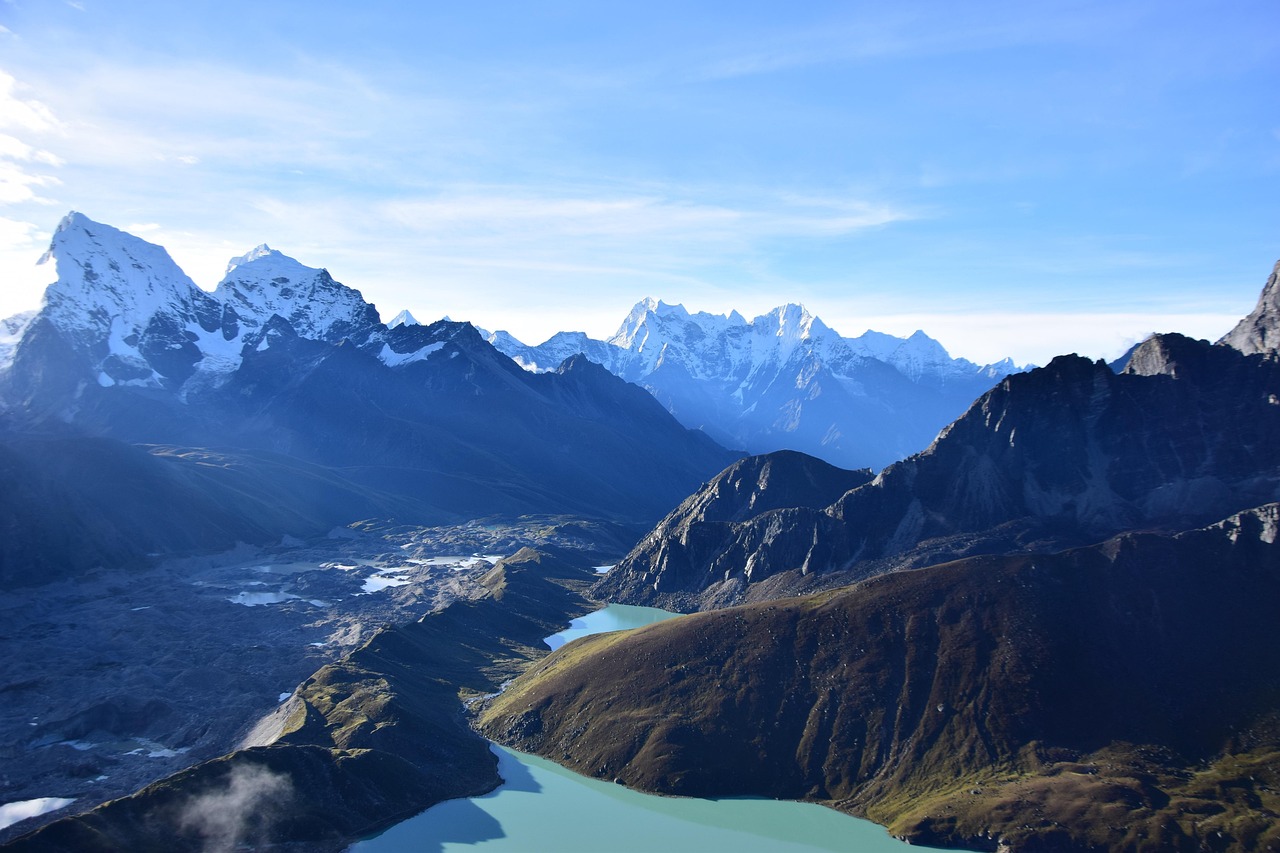
Paldor Peak (5,896m)
Quieter Ganesh Himal region. Rewarding trekking-peak with glacier travel and non-technical summit, 6000m-style adventure off the main trails.
Days
15
Difficulty
Challenging
Max Altitude
5,896 m
Best Season
Trip Overview
Paldor Peak rises in the Ganesh Himal range, a quieter, less-trodden region north of Kathmandu. It offers a rewarding trekking-peak experience with glacier travel and a non-technical summit, ideal for those seeking a 6000m-style adventure off the main trails.


Trip Information
- Day 1 : Arrival In Kathmandu (1,350m)
- Day 2 : Sight Seeing- Trek Briefing & Official Procedures (1,350m)
- Day 3 : Drive To Syabrubesi (1,550m)
- Day 4 : Trek To Gatlang (6-7, 2,238m)
- Day 5 : Trek To Somdang (6-7, 3,270m)
- Day 6 : Trek To Lhari Kharka (5-6, 3,800m)
- Day 7 : Trek To Paldor Peak Base Camp (3-4, 4,650m)
- Day 8 : Acclimatization & Climbing Training Day At Base Camp (3-4 hrs (training), 4,650m)
- Day 9 : Paldor Peak Summit Push & Return To Base Camp (8-10, 5,896m/4,650m)
- Day 10 : Reserve Day At Base Camp (4,650m)
- Day 11 : Trek To Lhari Kharka (4-5, 3,800m)
- Day 12 : Trek To Somdang (5-6, 3,270m)
- Day 13 : Trek To Gatlang (6-7, 2,238m)
- Day 14 : Trek To Syabrubesi & Drive To Kathmandu (6-7, 1,350m)
- Day 15 : Contingency Day In Kathmandu (1,350m)
- Day 16 : Final Departure
Day 1: Arrival In Kathmandu
Altitude: 1,350m · Stay: Hotel · Meals: Dinner
Welcome to Nepal! Step off the plane into Kathmandu's warm chaos, where a Meander Himalaya teammate will be waving you down at arrivals. Settle into your hotel and meet your guide over dinner, Paldor Peak is a quieter, less-trodden 6,000m-style objective, and the Ganesh Himal region rarely sees a crowd.
Day 2: Sight Seeing- Trek Briefing & Official Procedures
Altitude: 1,350m · Stay: Hotel · Meals: Breakfast
A day to prepare properly. Visit Boudhanath and Pashupatinath in the morning, then sit down with your guide for a full briefing on the climb ahead, glacier travel, permits, and what to expect from this remote, non-technical summit. Double-check your climbing gear today, this route sees far fewer trekkers than the Khumbu, so options thin out fast.
Day 3: Drive To Syabrubesi
Distance: 120 km · Altitude: 1,550m · Stay: Teahouse · Meals: Breakfast, Lunch, Dinner
A scenic drive out of Kathmandu follows the Trishuli River, winding through terraced hillsides and small villages toward Syabrubesi, the gateway to the Ganesh Himal and Langtang region. Mountain air replaces city noise almost immediately.
Day 4: Trek To Gatlang
Distance: 10 km · Walking: 6-7 · Altitude: 2,238m · Stay: Teahouse · Meals: Breakfast, Lunch, Dinner
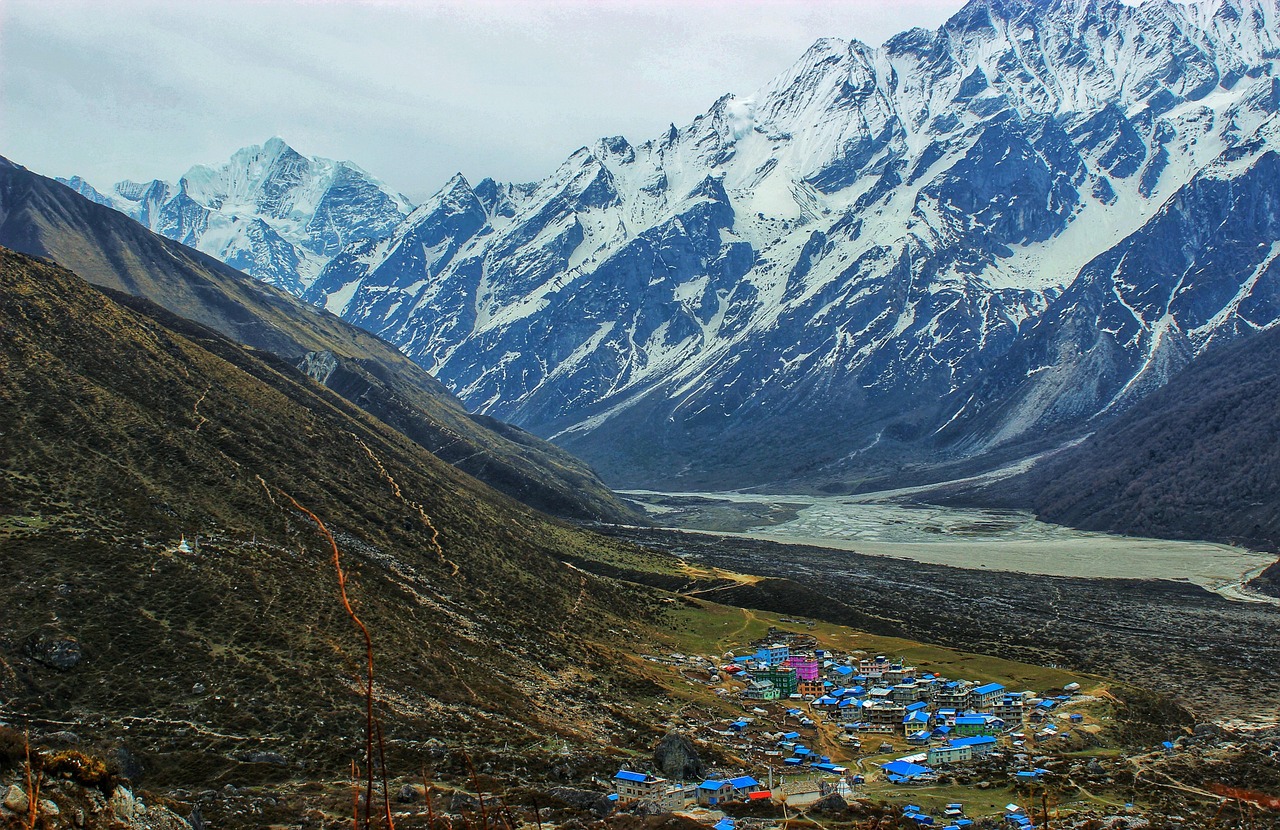
The trail begins with a steady climb through forest and farmland toward Gatlang, one of the most vibrant Tamang villages in the region. Stone houses, carved windows, and prayer flags set the tone for a trek that feels genuinely off the main trekking circuit.
Day 5: Trek To Somdang
Distance: 12 km · Walking: 6-7 · Altitude: 3,270m · Stay: Teahouse · Meals: Breakfast, Lunch, Dinner
Climb through rhododendron and pine forest toward Somdang, an old mining settlement tucked high in the hills. As the trees thin out, wide views of Ganesh Himal open up ahead, your first real look at the peak you've come to climb.
Day 6: Trek To Lhari Kharka
Distance: 9 km · Walking: 5-6 · Altitude: 3,800m · Stay: Camp · Meals: Breakfast, Lunch, Dinner
Continue into wilder, higher terrain as the trail leaves the last permanent settlements behind. Lhari Kharka is a remote high pasture used by local herders, and from here on, this is genuine expedition territory, quiet, dramatic, and a world away from the busier trekking regions.
Day 7: Trek To Paldor Peak Base Camp
Walking: 3-4 · Altitude: 4,650m · Stay: Camp · Meals: Breakfast, Lunch, Dinner
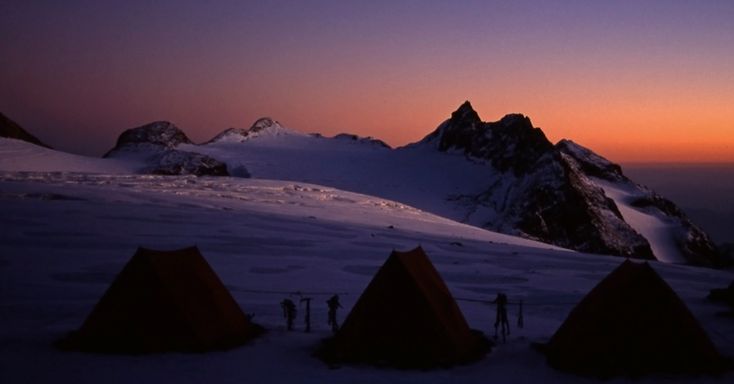
Climb into stark, high-altitude terrain to reach Paldor Peak Base Camp, tucked beneath the mountain's glaciated slopes. The setting is remote and beautiful, with barely another expedition group anywhere in sight, this is what makes Paldor such a rewarding off-the-beaten-path 6,000m-style objective.
Day 8: Acclimatization & Climbing Training Day At Base Camp
Walking: 3-4 hrs (training) · Altitude: 4,650m · Stay: Camp · Meals: Breakfast, Lunch, Dinner
A full day dedicated to altitude adjustment and technical preparation, your guides run through rope work, crampon technique, and glacier travel basics on nearby terrain. Paldor's summit is non-technical, but the glacier crossing still demands proper preparation.
Day 9: Paldor Peak Summit Push & Return To Base Camp
Distance: 10 km · Walking: 8-10 · Altitude: 5,896m/4,650m · Stay: Camp · Meals: Breakfast, Lunch, Dinner
This is the big one. A pre-dawn start takes you across the glacier and up Paldor's broad, non-technical summit slopes, with sweeping views over the Ganesh Himal, Langtang, and Manaslu ranges from the top. Descend back to Base Camp to celebrate, a genuine Himalayan summit, and one very few trekkers ever attempt.
Day 10: Reserve Day At Base Camp
Altitude: 4,650m · Stay: Camp · Meals: Breakfast, Lunch, Dinner
A built-in buffer day to absorb any weather delays on the summit push. If the climb went to plan, rest up and enjoy the quiet of Base Camp for one more night, if not, this is your backup summit attempt.
Day 11: Trek To Lhari Kharka
Distance: 8 km · Walking: 4-5 · Altitude: 3,800m · Stay: Camp · Meals: Breakfast, Lunch, Dinner
With the summit behind you, begin the descent back down toward Lhari Kharka. Legs are tired but spirits are high, you've just climbed a genuine 6,000m-style peak in one of Nepal's quietest corners.
Day 12: Trek To Somdang
Distance: 9 km · Walking: 5-6 · Altitude: 3,270m · Stay: Teahouse · Meals: Breakfast, Lunch, Dinner
Continue the descent through wide pastureland and forest back toward Somdang, watching the terrain soften and greenery return as you drop in altitude.
Day 13: Trek To Gatlang
Distance: 12 km · Walking: 6-7 · Altitude: 2,238m · Stay: Teahouse · Meals: Breakfast, Lunch, Dinner
Descend through pine and rhododendron forest back to Gatlang, closing the loop on your Paldor Peak journey. A warm Tamang welcome awaits, along with your first proper rest since Base Camp.
Day 14: Trek To Syabrubesi & Drive To Kathmandu
Distance: 10 km trek + drive · Walking: 6-7 · Altitude: 1,350m · Stay: Hotel · Meals: Breakfast, Lunch, Dinner
A final trek down through forest and farmland brings you to Syabrubesi, where a scenic drive returns you to Kathmandu. A hot shower and a real bed have rarely felt this good after two weeks in the remote Ganesh Himal.
Day 15: Contingency Day In Kathmandu
Altitude: 1,350m · Stay: Hotel · Meals: Breakfast
A spare day built into the schedule in case of delays along the way, common enough on this remote route that it's worth planning around. If all went smoothly, enjoy a free day to relax, shop, or explore more of Kathmandu.
Day 16: Final Departure
Meals: Breakfast
Time to say farewell to Nepal, at least for now. With Paldor Peak's summit, glacier travel, and weeks of remote Ganesh Himal wilderness all behind you, our team will see you off at the airport for your onward journey. Namaste, and until next time!
Note: The trek itinerary is a guide only and may be subject to change at short notice.
Required equipment
- Backpack (30 to 40 liters) for daily use
- Duffel bag (provided by us)
- Sleeping bag rated for -20°C or lower (provided by us)
- Trekking poles (provided by us)
- Headlamp with spare batteries
- Water bottles or hydration bladder (2 to 3 liters)
- Water purification tablets or filter
- Insulated high-altitude mountaineering boots, waterproof and broken-in
Clothing list
- Moisture-wicking base layers (top and bottom)
- Fleece or wool mid-layers
- Insulated down jacket or down suit
- Waterproof and windproof outer shell (jacket and pants)
- Trekking trousers, 2 to 3 pairs
- Warm hat, sun hat, and neck gaiter
- Gloves, lightweight and insulated pair
- Warm wool socks, 4 to 5 pairs
Personal items
- Passport (with visa) and passport-size photos
- Travel insurance documents (confirming cover to 6,000m)
- Cash (Nepali Rupees) for personal expenses, no ATMs beyond Syabrubesi
- Personal first-aid kit and any personal medication
- Sunscreen (high SPF) and lip balm with SPF
- Category 4 glacier sunglasses (mandatory)
- Hand sanitizer and wet wipes
- Toiletries (biodegradable soap, toothbrush, etc.)
- Quick-dry towel
- Power bank and universal adapter
- Snacks or energy bars
- Camera (extra batteries, memory cards)
Technical climbing equipment
- 12-point crampons
- Basic ice axe
- UIAA-certified sit harness
- Locking and non-locking carabiners
- UIAA-certified climbing helmet
- All available to rent in Kathmandu if not bringing your own (rope and glacier travel gear is provided as group equipment, the summit itself is a non-technical glacier walk)
Your trek cost includes
- Airport pickup and drop-off in a private vehicle
- 3 nights hotel in Kathmandu (4-star, B&B basis)
- Welcome dinner in Kathmandu at a traditional Nepali restaurant
- Farewell dinner to celebrate the successful climb
- All meals (breakfast, lunch, dinner) during the trek and climb, with tea/coffee included and fresh seasonal fruit served every evening
- Private vehicle drive Kathmandu to Syabrubesi, and return drive Syabrubesi to Kathmandu (no domestic flight needed for this climb)
- All ground transportation by private vehicle as per itinerary
- Paldor Peak Climbing Permit (Nepal Mountaineering Association)
- Langtang National Park Entry Permit
- Trekkers' Information Management System (TIMS) card
- Experienced, government-licensed, English-speaking expedition guide
- Climbing Sherpa, 1 for every 2 climbers on summit day
- Assistant trek leader for groups of 4 or more trekkers
- Porter service (1 porter for every 2 trekkers, carrying up to 15 kg)
- Wages, food, accommodation, equipment, insurance, and transportation for all Nepalese staff
- Wages, food, accommodation, equipment, insurance, and transportation for all Nepalese staff
- High-altitude first-aid medical kit carried by the guide
- Oximeter checks twice daily to monitor pulse, oxygen saturation, and AMS symptoms
- Emergency helicopter rescue arrangement (cost covered by your travel insurance)
- Satellite phone with the guide for emergency communication (available for member use at an extra charge)
- Group technical climbing and rescue equipment: ropes, ice screws, snow bars, and pickets for the summit push
- Complimentary use of sleeping bag, down jacket, duffel bag, and walking poles (returned after the trip)
- Meander Himalaya trekking duffel bag, t-shirt, and detailed trekking map to keep
- Official Paldor Peak Summit Certificate on successful completion
- All applicable Government of Nepal taxes and fees
Your trek cost does NOT include
- International airfare to and from Kathmandu
- Nepal visa fee on arrival at Tribhuvan International Airport ($50 USD for 30 days; other durations available)
- Lunch and dinner during your stay in Kathmandu (except the welcome and farewell dinners), including in case of an early return from the trek
- Extra hotel nights in Kathmandu due to early arrival, late departure, or unforeseen delays
- Travel and rescue insurance (mandatory), must cover mountaineering up to 6,000m and helicopter evacuation
- Personal expenses: phone calls, internet, toiletries (soap, shampoo, tissue paper, etc.), laundry, battery charging, hot showers, and alcoholic/non-alcoholic beverages (including mineral water, soft drinks, extra tea/coffee) purchased during the trek
- Personal climbing gear: harness, helmet, crampons, ice axe, ascender, carabiners, and glacier glasses (rentable in Kathmandu if not bringing your own)
- Personal trekking gear: clothing, packing items, bags, and your own medical kit
- Special permits and fees for filming, cameras, and drone use
- Tips for guides, climbing Sherpas, cook staff, and porters (expected and appreciated)
- Any other service or activity not explicitly listed under "Cost Includes"
1. How difficult is Paldor Peak? Do I need prior experience?
A good introduction to 6,000m-style climbing, the summit push involves glacier travel and basic crampon and rope work, but no vertical ice or steep technical pitches. That said, it's still a serious high-altitude objective, expect 5 to 7 hour trekking days and a demanding summit day from Base Camp. Some prior trekking experience above 4,000m is recommended, along with basic comfort in crampons.
2. What makes Paldor Peak different from Island or Mera Peak?
It's in the quieter Ganesh Himal region, north of Kathmandu near Langtang, so it sees far fewer climbers than the Everest-region peaks. No domestic flight is needed, it's a scenic drive to Syabrubesi to start. The trade-off is a shorter approach through fewer villages and more camping days overall.
3. What permits do I need?
The Paldor Peak Climbing Permit (Nepal Mountaineering Association), Langtang National Park Entry Permit, and TIMS card. We handle all permit arrangements for you.
4. When is the best time to climb?
Spring (March to May) and autumn (September to November) offer the most stable weather and clearest views for the summit push.
5. What accommodation and food can I expect?
Teahouses through Gatlang and Somdang on the approach and return, switching to expedition tents from Lhari Kharka through Base Camp, with a dedicated cook team. Food includes dal bhat and momos in teahouses, and hot freshly prepared meals at camp.
Have more questions?
Reach out by email, phone, or through our website FAQ Page for anything on technical training, gear lists, insurance, or itinerary customization.
Have Additional Questions?
Our team can help with altitude safety, packing lists, insurance, or a custom itinerary.