Dhulagiri Circuit Trek
Days
20 Days
Difficulty
Very Challenging
Max Altitude
5,360 m
Best Season
Mar-May, Sep-Nov
Trip Overview
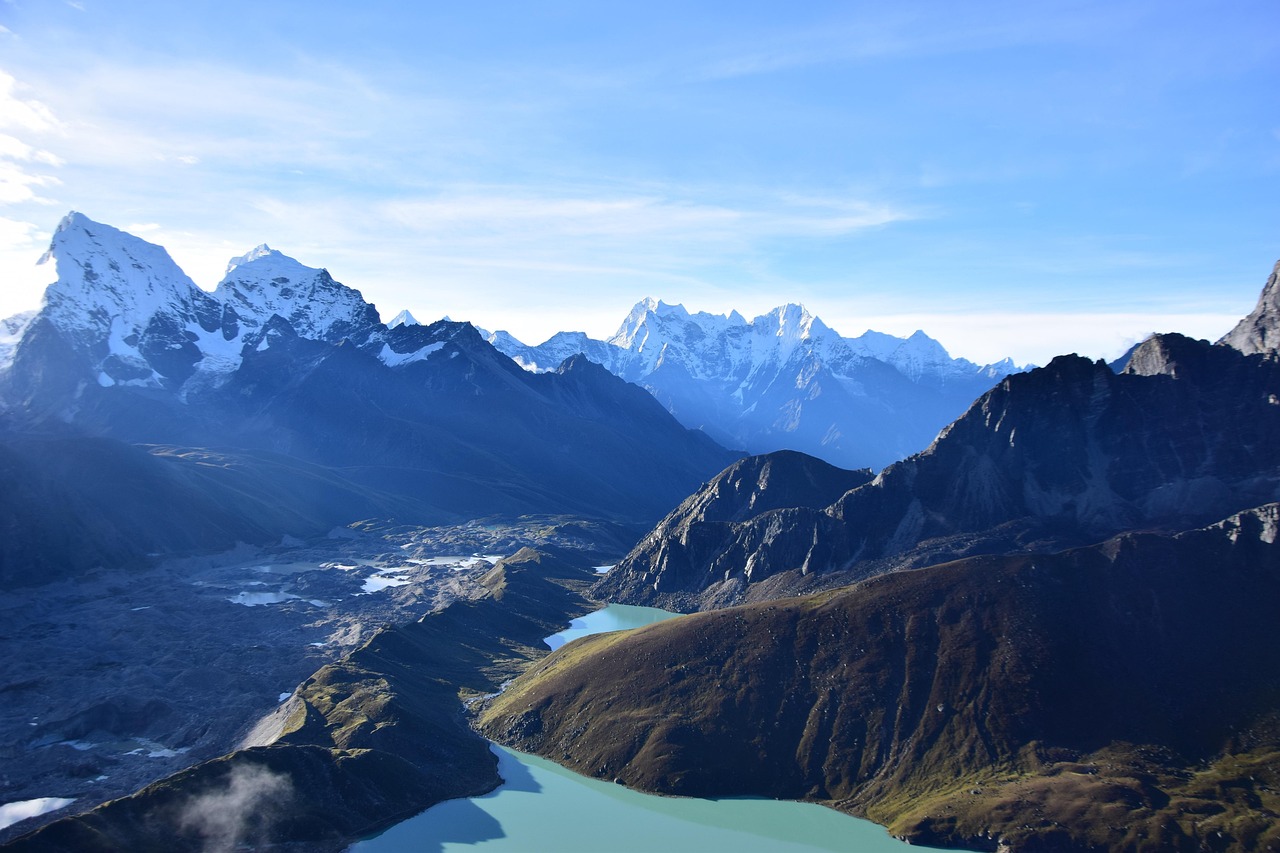
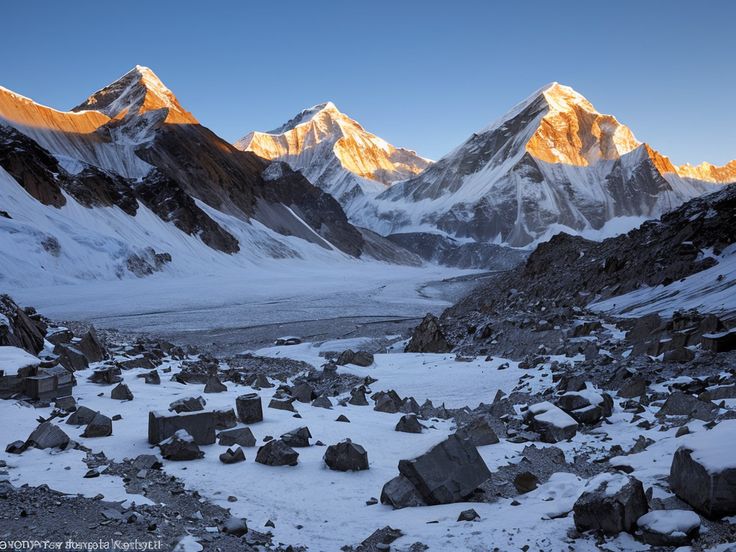
The Dhaulagiri Circuit is one of the most remote and demanding treks in Nepal, circling the world's seventh-highest mountain through raw, high-alpine wilderness. Unlike teahouse treks elsewhere in Nepal, this route is largely a camping expedition, crossing glacial moraine, forested river valleys, and two serious high passes, French Pass (5,360m) and Dhampus Pass (5,240m), with a night spent camping in the wide, otherworldly Hidden Valley above 5,000m. Along the way you'll pass through three separate base camps beneath the Dhaulagiri massif, with close-up views of Dhaulagiri I through V, Tukuche Peak, and the Annapurna range. This is a true expedition-style adventure for experienced, fit trekkers seeking genuine solitude in the Himalaya.
Trip Information
- Day 1 : Arrival In Kathmandu (1,350 m)
- Day 2 : Sight Seeing- Trek Briefing & Official Procedures (1,350 m)
- Day 3 : Drive To Beni (850 m)
- Day 4 : Trek To Babiachaur (5-6 hrs, 950 m)
- Day 5 : Trek To Dharapani (6-7 hrs, 1,860 m)
- Day 6 : Trek To Muri (4-5 hrs, 1,800 m)
- Day 7 : Trek To Boghara (5-6 hrs, 2,080 m)
- Day 8 : Trek To Dobang (5-6 hrs, 2,520 m)
- Day 9 : Trek To Choriban Khola (4-5 hrs, 3,110 m)
- Day 10 : Trek To Italian Base Camp (12 km, 5-6 hrs)
- Day 11 : Acclimatization Day At Italian Base Camp (2-3 hrs, 3,660 k)
- Day 12 : Trek To Glacier Camp (6-7 hrs, 4,210 m)
- Day 13 : Trek To Dhaulagiri Base Camp (6-7 hrs, 4,740 m)
- Day 14 : Second Acclimatization Day At Dhaulagiri Base Camp (2-3 hrs, 4,740 m)
- Day 15 : Trek To Hidden Valley Via French Pass (7-8 hrs, 5,200 m)
- Day 16 : Trek To Yak Kharka Via Dhampus Pass (6-7 hrs, 3,680 m)
- Day 17 : Trek To Marpha (5-6 hrs, 2,670 m)
- Day 18 : Drive to Pokhara (830 m)
- Day 19 : Drive to Kathmandu (1,350 m)
- Day 20 : Final Departure
Day 1: Arrival In Kathmandu
Altitude: 1,350 m · Stay: Hotel · Meals: Dinner
Welcome to Nepal! Step off the plane into Kathmandu's warm chaos, where a Meander Himalaya teammate will be waving you down at arrivals. Settle into your hotel and meet your guide over dinner, the Dhaulagiri Circuit is one of the most remote expeditions we run, and the next three weeks will test you properly.
Day 2: Sight Seeing- Trek Briefing & Official Procedures
Altitude: 1,350 m · Stay: Hotel · Meals: Breakfast
A day to prepare properly. Visit Boudhanath and Pashupatinath in the morning, then sit down with your guide for a full briefing on the weeks ahead, camping logistics, high passes, and what genuine remoteness means for this route. Double-check your gear today, once you leave Kathmandu, resupply options disappear almost entirely.
Day 3: Drive To Beni
Distance: 200 km · Altitude: 850 m · Stay: Teahouse · Meals: Breakfast, Lunch, Dinner
A long, scenic drive out of Kathmandu takes you through Pokhara and onward to Beni, a riverside town sitting at the confluence of the Kali Gandaki and Myagdi Khola. Watch the landscape shift from busy roads to quiet hills and terraced farmland, the last easy day before the trail properly begins.
Day 4: Trek To Babiachaur
Distance: 14 km · Walking: 5-6 hrs · Altitude: 950 m · Stay: Teahouse · Meals: Breakfast, Lunch, Dinner
The trail begins by following the Myagdi Khola west, passing several suspension bridges and small villages along the north bank. It's a gentle, welcoming introduction to the trek, with riverside scenery and warm village life setting the tone for the days ahead.
Day 5: Trek To Dharapani
Distance: 15 km · Walking: 6-7 hrs · Altitude: 1,860 m · Stay: Teahouse · Meals: Breakfast, Lunch, Dinner
A relatively gentle day along terraced hillsides, crossing a bridge over the Duk River before climbing steadily as the valley narrows toward Dharapani. The scenery here is classic mid-hills Nepal, lush, green, and quietly beautiful.
Day 6: Trek To Muri
Distance: 10 km · Walking: 4-5 hrs · Altitude: 1,800 m · Stay: Teahouse · Meals: Breakfast, Lunch, Dinner
Climb through terraced farmland to the traditional Magar village of Takam, with your first real views of Gurja Himal and Dhaulagiri opening up along the way. Passing an old traditional water mill at Gatti Khola, the trail continues to Muri, a large, welcoming Magar settlement.
Day 7: Trek To Boghara
Distance: 12 km · Walking: 5-6 hrs · Altitude: 2,080 m · Stay: Teahouse · Meals: Breakfast, Lunch, Dinner
Descend through streams and low passes with fine views of Gurstung South, before winding through thick forest back down to the Myagdi Khola. A final zigzagging climb brings you to Boghara, with Manapathi Peak, Gurja Himal, and Dhaulagiri I all in view.
Day 8: Trek To Dobang
Distance: 12 km · Walking: 5-6 hrs · Altitude: 2,520 m · Stay: Camping · Meals: Breakfast, Lunch, Dinner
A quieter, more isolated stretch of trail through dense forest alongside the Myagdi Khola, passing the remote settlement of Jyardan before climbing rocky, winding paths to Dobang. Human settlements thin out fast from here, this is where the trek's genuine remoteness starts to show.
Day 9: Trek To Choriban Khola
Distance: 10 km · Walking: 4-5 hrs · Altitude: 3,110 m · Stay: Camping · Meals: Breakfast, Lunch, Dinner
Continue through dense forest alongside the river, crossing a wooden bridge and pasture grazing land before a steep final push through old landslide terrain. You'll gain serious altitude today, a good reminder to take things slow and stay well hydrated.
Day 10: Trek To Italian Base Camp
Distance: 3,660 m · Walking: 12 km · Altitude: 5-6 hrs · Stay: Camping · Meals: Breakfast, Lunch, Dinner
Climb through thinning forest before reaching the edge of the Chhonbarban Glacier, your first real taste of the alpine environment ahead. Skirting the glacier's edge, you'll arrive at Italian Base Camp with dramatic views of Dhaulagiri II, III, IV, and Tukuche
Day 11: Acclimatization Day At Italian Base Camp
Distance: 4-5 km · Walking: 2-3 hrs · Altitude: 3,660 k · Stay: Camping · Meals: Breakfast, Lunch, Dinner
A well-earned rest day, with an optional short hike across the moraine to a nearby ice cave for close-up views of Dhaulagiri's west face, and a good chance of spotting blue sheep on the surrounding cliffs. Physical activity at a gentle pace helps your body adjust before the bigger altitude days ahead.
Day 12: Trek To Glacier Camp
Distance: 10 km · Walking: 6-7 hrs · Altitude: 4,210 m · Stay: Camping · Meals: Breakfast, Lunch, Dinner
A demanding day across glacial moraine and rocky, narrow trails, passing through what's known as Swiss Base Camp before the terrain eases into flatter, boulder-strewn ground. Glacier Camp delivers incredible views of the Chhongardan Glacier alongside Dhaulagiri, Manapathi Peak, and Tsaurabong Peak.
Day 13: Trek To Dhaulagiri Base Camp
Distance: 8 km · Walking: 6-7 hrs · Altitude: 4,740 m · Stay: Camping · Meals: Breakfast, Lunch, Dinner
This is one of the trek's defining days. Follow the central glacial moraine as the valley opens into a wide junction between Tukuche and Dhaulagiri, before arriving at Dhaulagiri Base Camp itself. Surrounded by Dhaulagiri I, II, III, and V, with dramatic icefalls and prayer flags marking the site, this is a genuinely humbling place to stand.
Day 14: Second Acclimatization Day At Dhaulagiri Base Camp
Distance: 4-5 km · Walking: 2-3 hrs · Altitude: 4,740 m · Stay: Camping · Meals: Breakfast, Lunch, Dinner
A second rest day, well earned after two demanding days of altitude gain. Take a short hike around the base camp to catch the sunrise over the peaks, then spend the rest of the day resting, recovering, and soaking in one of the most spectacular settings on the entire trek.
Day 15: Trek To Hidden Valley Via French Pass
Distance: 14 km · Walking: 7-8 hrs · Altitude: 5,200 m · Stay: Camping · Meals: Breakfast, Lunch, Dinner
The trek's biggest test. An early start takes you up and over French Pass (5,360m), the highest point of the entire circuit, with a staggering 360-degree panorama of Mukut Himal, Tukuche Peak, Thapa Peak, and the Dhaulagiri massif. Descend into the wild, otherworldly Hidden Valley, where you'll camp tonight beneath a truly remote stretch of the Himalaya.
Day 16: Trek To Yak Kharka Via Dhampus Pass
Distance: 12 km · Walking: 6-7 hrs · Altitude: 3,680 m · Stay: Camping · Meals: Breakfast, Lunch, Dinner
Cross the second of the trek's two high passes, Dhampus Pass (5,240m), decorated with prayer flags and offering sweeping views of Tukuche Peak, Dhampus Peak, and the Annapurna massif. Descend afterward to Yak Kharka, a wide pastureland that marks your return to gentler terrain.
Day 17: Trek To Marpha
Distance: 15 km · Walking: 5-6 hrs · Altitude: 2,670 m · Stay: Teahouse · Meals: Breakfast, Lunch, Dinner
With the high passes behind you, enjoy a noticeably easier day back through the tree line into rhododendron and pine forest. Marpha, a charming town on the banks of the Kali Gandaki known for its monasteries, apple orchards, and locally made brandy, is a fitting, celebratory place to sleep in a real bed again.
Day 18: Drive to Pokhara
Distance: 80 km · Altitude: 830 m · Stay: Hotel · Meals: Breakfast, Lunch, Dinner
A scenic drive from Marpha winds down through hills and terraced farmland to Pokhara, Nepal's laid-back lakeside adventure hub. Treat yourself to a proper rest, a lakeside meal, and a well-earned look back on one of the most demanding circuits in the Himalaya.
Day 19: Drive to Kathmandu
Distance: 200 km · Altitude: 1,350 m · Stay: Hotel · Meals: Breakfast
A final scenic drive along the Trishuli River returns you to the capital, passing waterfalls, hills, and vibrant settlements along the way. Spend the rest of the day exploring Thamel or picking up souvenirs to remember this incredible expedition by.
Day 20: Final Departure
Meals: Breakfast
Time to say farewell to Nepal, at least for now. With French Pass, Dhampus Pass, three separate base camps, and weeks of genuine Himalayan wilderness all behind you, our team will see you off at the airport for your onward journey. Namaste, and until next time!
Note: The trek itinerary is a guide only and may be subject to change at short notice.
Required equipment
- Backpack (30 to 40 liters) for daily use
- Duffel bag (provided by us)
- Sleeping bag rated for -10°C or lower (provided by us)
- Trekking poles (provided by us)
- Headlamp with spare batteries
- Water bottles or hydration bladder (2 to 3 liters)
- Water purification tablets or filter
- Trekking boots, waterproof and broken-in
- Camp shoes or sandals for evenings
- Microspikes or lightweight crampons (recommended for French Pass and Dhampus Pass)
Clothing list
- Moisture-wicking base layers (top and bottom)
- Fleece or wool mid-layers
- Insulated down jacket
- Waterproof and windproof outer shell (jacket and pants)
- Trekking trousers, 2 to 3 pairs
- Warm hat, sun hat, and buff or scarf
- Gloves, lightweight and insulated pair
- Warm wool socks, 4 to 5 pairs
- Underwear, enough for the trek duration
Personal items
- Passport (with visa) and passport-size photos
- Travel insurance documents
- Cash (Nepali Rupees) for personal expenses, no ATMs beyond Beni
- Personal first-aid kit and any personal medication
- Sunscreen (high SPF) and lip balm with SPF
- Sunglasses with UV protection
- Hand sanitizer and wet wipes
- Toiletries (biodegradable soap, toothbrush, etc.)
- Quick-dry towel
- Power bank and universal adapter
- Energy bars, nuts, dried fruit (extra fuel for the camping section)
- Camera (extra batteries, memory cards)
Technical climbing equipment
- Not required for the standard route, though basic ice axe and crampon familiarity is beneficial for crossing French Pass and Dhampus Pass, especially after fresh snowfall
Your trek cost includes
- Airport pickup and drop-off in a private vehicle
- 3 nights hotel in Kathmandu (4-star, B&B basis)
- 1 night hotel in Pokhara (similar standard, B&B basis)
- Welcome dinner in Kathmandu at a traditional Nepali restaurant
- Farewell dinner to celebrate the successful trek
- All meals (breakfast, lunch, dinner) during the trek, with tea/coffee included and fresh seasonal fruit served every evening
- Private vehicle drive Kathmandu to Beni, and return drive Marpha via Jomsom to Pokhara (no domestic flight needed for the trek itself)
- All ground transportation by private vehicle as per itinerary
- Twin-sharing teahouse/lodge accommodation for the lower valley section (Beni to Italian Base Camp, and Marpha back to Pokhara)
- Fully waterproof 2-person tents for the camping section (Italian Base Camp to Yak Kharka), with dining tent, kitchen tent, and toilet tent
- Annapurna Conservation Area Project (ACAP) permit
- Trekkers' Information Management System (TIMS) card
- Experienced, government-licensed, English-speaking trekking guide
- Assistant trek leader for groups of 6 or more trekkers
- Porter service (1 porter for every 2 trekkers, carrying up to 15 kg)
- Wages, food, accommodation, equipment, insurance, and transportation for all Nepalese staff
- Climbing rope for safe crossing of French Pass and Dhampus Pass
- High-altitude first-aid medical kit carried by the guide
- Oximeter checks twice daily to monitor pulse, oxygen saturation, and AMS symptoms
- Emergency helicopter rescue arrangement (cost covered by your travel insurance)
- Satellite phone with the guide for emergency communication (available for member use at an extra charge)
- Complimentary use of sleeping bag, down jacket, duffel bag, and walking poles (returned after the trip)
- Meander Himalaya trekking duffel bag, t-shirt, and detailed trekking map to keep
- Trip achievement certificate on successful completion
- All applicable Government of Nepal taxes and fees
Your trek cost does NOT include
- International airfare to and from Kathmandu
- Nepal visa fee on arrival at Tribhuvan International Airport ($50 USD for 30 days; other durations available)
- Lunch and dinner during your stay in Kathmandu and Pokhara (except the welcome and farewell dinners), including in case of an early return from the trek
- Extra hotel nights in Kathmandu or Pokhara due to early arrival, late departure, flight cancellations, or early return from the trek
- Travel and rescue insurance (mandatory), must cover medical treatment, high-altitude rescue, air evacuation, trip cancellation, and repatriation
- Personal expenses: phone calls, internet, toiletries (soap, shampoo, tissue paper, etc.), laundry, battery charging, hot showers, and alcoholic/non-alcoholic beverages (including mineral water, soft drinks, extra tea/coffee) purchased during the trek
- Personal trekking gear: clothing, packing items, bags, and your own medical kit
- Excess baggage charges on domestic flights (beyond the 10 to 15 kg limit)
- Special permits and fees for filming, cameras, and drone use
- Tips for guides, porters, and drivers (expected and appreciated)
- Any other service or activity not explicitly listed under "Cost Includes"
1. What makes the Dhaulagiri Circuit Trek special?
One of Nepal's most remote expedition-style adventures, circling the world's seventh-highest mountain, Dhaulagiri (8,167m). It crosses two high passes, French Pass (5,360m) and Dhampus Pass (5,240m), traverses the Chhonbardan Glacier to Dhaulagiri Base Camp, and spends a night in the surreal, windswept Hidden Valley. It ends by rejoining the Annapurna Circuit at Marpha.
2. How difficult is it? Can beginners do it?
Rated among Nepal's most challenging treks, not for technical climbing, but for remoteness, glacier terrain, and unpredictable weather. Sections above Italian Base Camp require camping, with no teahouses for several days, and the stretch near Japanese Base Camp carries avalanche risk. This trek is best suited to experienced trekkers who've already completed multi-day treks above 4,000 to 5,000m.
3. What permits do I need?
The Annapurna Conservation Area Project (ACAP) permit and TIMS card, though some route variations may require a Restricted Area Permit depending on the exact path taken. We handle all permit arrangements for you.
4. What is the best time to trek?
Autumn (September to November) is most recommended, with the clearest views and safest pass conditions. Spring (March to May) is a good second choice, with warmer temperatures and rhododendron blooms. Monsoon and winter are best avoided.
5. What accommodation and food can I expect?
Teahouses in the lower valley (Beni to Italian Base Camp, and again after Marpha), switching to full camping with tents, a dining tent, and kitchen crew for the glacier and pass-crossing section. Food ranges from dal bhat and momos in teahouses to hot camp meals prepared by our trekking crew higher up.
Have more questions?
Reach out by email, phone, or through our website FAQ Page for anything on altitude safety, equipment, training, insurance, or itinerary customization.
Have Additional Questions?
Our team can help with altitude safety, packing lists, insurance, or a custom itinerary.