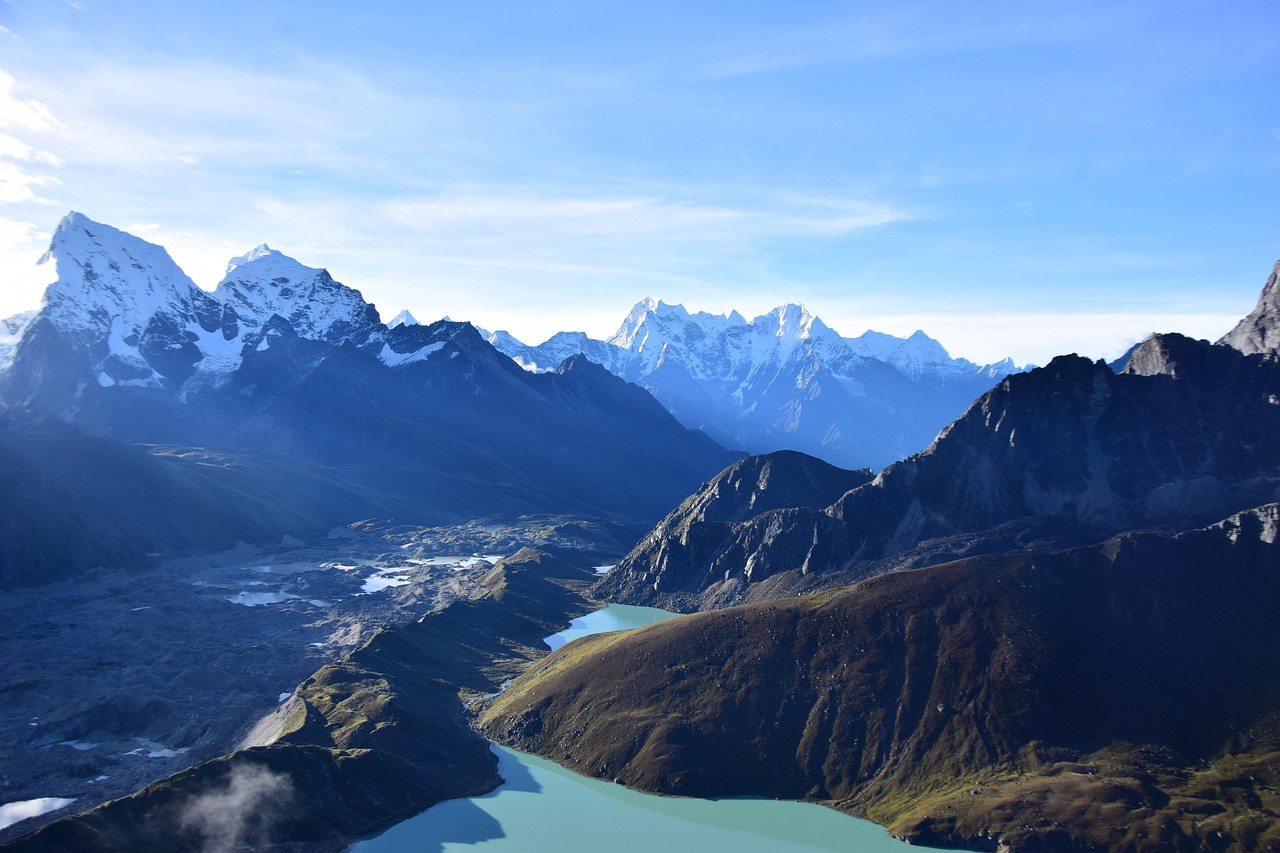
Chitwan National Park
UNESCO floodplain and Sal forest. Jeep and canoe at first light, then Tharu villages by evening — five hours from Kathmandu.
Days
4 Days
Difficulty
Easy
Max Altitude
150 m
Best Season
Oct–Mar
Trip Overview
Nepal’s first national park: 932 km² of grassland, Sal forest, and river along the Narayani, Rapti, and Reu. Close enough for a long weekend; rich enough for four full days.
Chitwan is rhino country near Kathmandu. You get jeep and canoe at first light, a Tharu village by evening, and a real chance of tiger without a domestic flight.
Base in Sauraha. Dawn jeep through grassland, a quiet canoe on the Rapti, time in a bird hide, and a village evening that is hospitality, not a show.
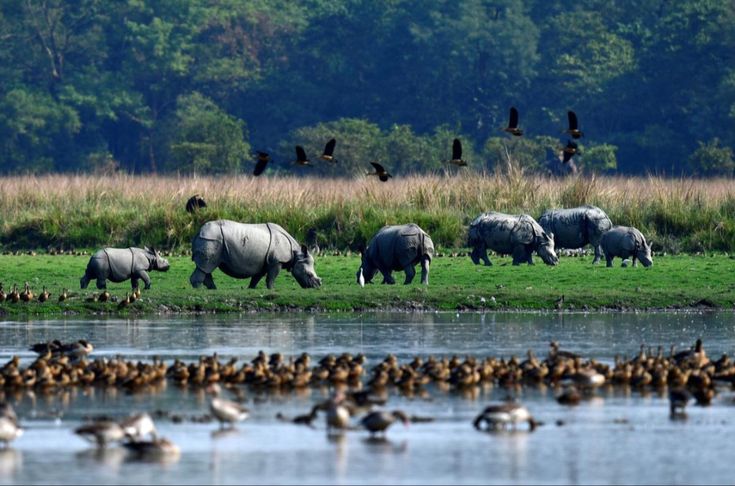
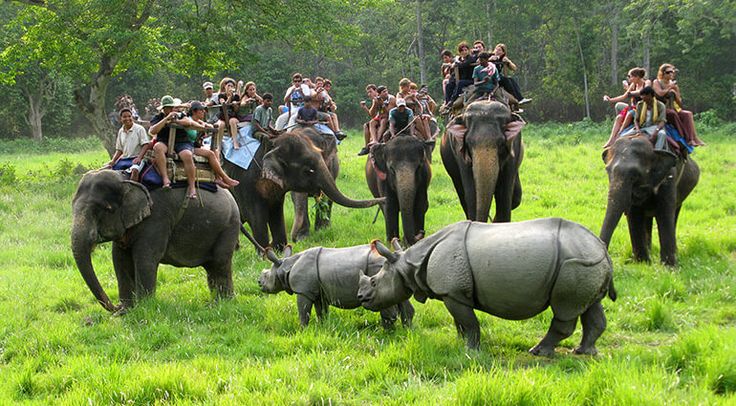
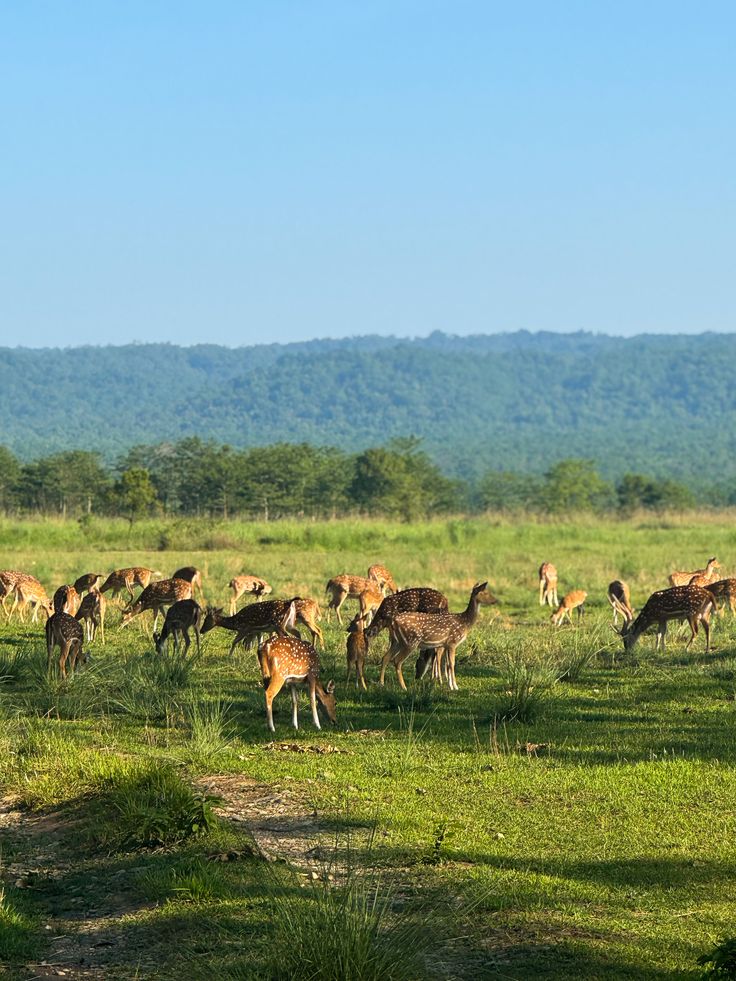
Look for greater one-horned rhinoceros, gharial, more than 500 bird species, and, with luck, Bengal tiger. Best for first safari, families, and photographers.
October-March is cool and clear. We travel with a private naturalist, park permits included, and lodges that fund protection rather than crowd the track.
Trip Information
- Day 1 : Kathmandu to Sauraha (5 hr drive, 150 m)
- Day 2 : Dawn jeep and Rapti canoe (Full day, 150 m)
- Day 3 : Jungle walk and village (Full day, 150 m)
- Day 4 : Morning safari and return (5 hr drive, 1,400 m)
Day 1: Kathmandu to Sauraha
Walking: 5 hr drive · Altitude: 150 m · Stay: Sauraha lodge · Meals: L, D
Private drive through the Siwalik hills (about 5 hours). Lodge check-in, park briefing, and a Tharu cultural evening.
Day 2: Dawn jeep and Rapti canoe
Walking: Full day · Altitude: 150 m · Stay: Sauraha lodge · Meals: B, L, D
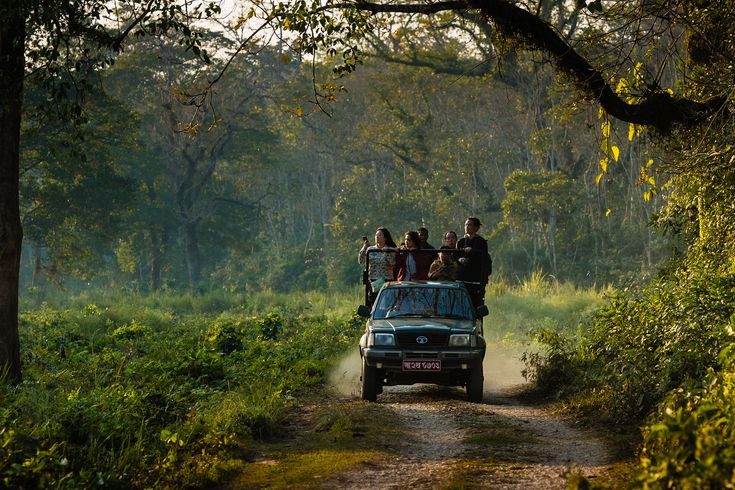
First-light jeep safari for rhino and grassland birds. Afternoon canoe on the Rapti for gharial, mugger crocodile, and kingfishers. Optional bird hide at dusk.
Day 3: Jungle walk and village
Walking: Full day · Altitude: 150 m · Stay: Sauraha lodge · Meals: B, L, D
Guided walk on designated trails. Afternoon in a Tharu village, or a second jeep if wildlife has been quiet. Evening at the lodge.
Day 4: Morning safari and return
Walking: 5 hr drive · Altitude: 1,400 m · Stay: - · Meals: B
Optional short jeep or tower viewpoint, then drive back to Kathmandu. Arrive late afternoon.
Note: The trek itinerary is a guide only and may be subject to change at short notice.
Required equipment
- Binoculars
- Sun hat and sunglasses
- Insect repellent
- Light long-sleeved shirts
Clothing list
- Neutral colours (khaki, olive, brown)
- Light trousers for jeep and walks
- Warm layer for dawn drives
Personal items
- Camera with spare batteries
- Sunscreen
- Personal medicines
- Refillable water bottle
Technical climbing equipment
- Torch or headlamp
- Soft duffel or overnight bag
Your trek cost includes
- Airport / hotel pickup in Kathmandu
- Private transfers as in the itinerary
- National park permits and entry fees
- Lodge or resort stay on a full-board basis
- Private naturalist / jungle guide
- Jeep safari as scheduled
- Canoe safari as scheduled
- Village or cultural visit where listed
- All government taxes
Your trek cost does NOT include
- International flights
- Nepal visa
- Travel insurance (compulsory)
- Drinks, snacks, and personal expenses
- Tips for guides, drivers, and lodge staff
- Optional activities not listed
- Domestic flights (Bardiya only, unless stated)
Required permits
Chitwan or Bardiya National Park entry, plus buffer-zone fees where they apply. We arrange these before you enter the park.
Visa information
A Nepal tourist visa is required. Obtain on arrival or in advance.
Insurance requirements
Travel insurance covering wildlife activities and medical evacuation is compulsory.
Fitness requirements
Easy to moderate. Jeep and canoe need no trekking fitness; walking safari is unhurried on flat ground.
Safety information
Always stay with your naturalist. Do not approach wildlife. Follow lodge and park briefings.
Altitude information
Terai lowland. No altitude risk.
Cancellation policy
Park fees and lodge nights are often non-refundable close to travel. See our terms.
Will I see a rhino?
Chitwan has the country’s strongest rhino population. Sightings are common on jeep and from the canoe, though wildlife is never guaranteed.
Is Chitwan good for families?
Yes. The drive is straightforward, lodges are comfortable, and activities can be paced. Walking safari is optional.
When is the best time?
October to March: cool mornings, open grassland, animals at waterholes. April-June is hotter; monsoon is lush but harder to track.
Have Additional Questions?
Our team can help with altitude safety, packing lists, insurance, or a custom itinerary.